- UChicago Medicine AdventHealth
Choose the health content that’s right for you, and get it delivered right in your inbox.
“I came that they may have life and have it abundantly.”
-John 10:10
Part of the human experience is to enjoy life to the fullest. While parts of life are out of your control, there are certain things you can do to make the most of your time on Earth, like practicing preventive health care. As you journey through life, each decade brings new experiences, opportunities and age-specific health screenings to ensure you live a happy and healthy life.
Keep reading to learn to learn more about what preventive health screenings you should get for every decade of life and why they’re important for your whole health.
The Early Years: Health Screenings in Your 20s and 30s
Life in your 20s and 30s is full of adventure, change and opportunity. While it’s unlikely that you’ll develop a serious condition, it’s never too early to start practicing preventive health care. We recommend these screenings for men and women in this age group:
- Blood pressure screening
- Cholesterol screening
- Diabetes screening
- Depression test
- Dermatology/skin cancer screening
- Human immunodeficiency virus (HIV) screening
- Pap smear once every three years
- Sexually transmitted infection (STI) screening, like human papillomavirus (HPV)
These general screenings are a great way to get a quick snapshot of your health and uncover any changes that need to be made. For women in this age range, screening for cervical cancer is important. You should have a Pap smear once every three years. This test involves taking a sample of cells from your cervix, which will be sent to a laboratory for examination. While developing breast cancer at this age is rarer, self-check breast exams are a good way to check for any abnormalities that may require additional medical intervention.
For men in their 20s and 30s, it’s important to conduct monthly self-examinations of the testicles to look for any abnormalities, such as lumps, bumps, hard spots, changes in size or pain.
Time to Stay in Tune With Your Body: Screenings in Your 40s
Once you reach your 40s, there are several essential health screenings to be mindful of. Let’s take a closer look at each.
Colonoscopies
A colonoscopy is considered the gold standard for colorectal screening because it can not only identify colorectal cancer but also prevent it from occurring. The American Cancer Society (ACS) recommends that people with an average risk of colorectal cancer start regular screening at age 45.
Mammograms
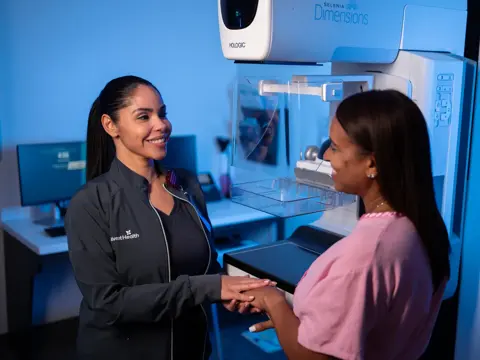
Annual breast cancer screenings such as mammograms are recommended for women beginning at age 40. Mammography is the primary screening tool for breast cancer, which involves taking X-ray images of the breasts to detect signs of cancer, like masses, calcifications or other abnormalities. At UChicago Medicine AdventHealth, we also offer 3D mammography and breast magnetic resonance imaging (MRI).
Heart Health Screenings
Because your heart is at the center of your overall well-being, it’s important to make sure it’s beating strongly, especially if you have cardiovascular risk factors, which are more common beginning around age 40. At UChicago Medicine AdventHealth, we offer heart health screenings and services to keep your heart healthy and to put your mind at ease.
Narrowing Your Focus: Screenings in Your 50s
As you enter your 50s, prostate and lung cancer screenings become more important. Generally, men are considered to be at average risk of prostate cancer beginning at age 50. There are two main screenings for prostate cancer: the prostate-specific antigen (PSA) test and a digital rectal examination (DRE). The PSA test measures levels of PSA, a protein produced by the prostate gland, in the blood. The DRE is a physical examination where your doctor checks the prostate for lumps or anything unusual. While it’s possible to treat prostate cancer, early intervention, like screenings, provides the best success.
Lung cancer is one of the leading causes of cancer-related deaths worldwide. As a result, screenings play a crucial role in early detection and treatment. Lung cancer screenings are typically recommended for high-risk individuals, such as current and former smokers, and those aged 55 to 80 with a history of smoking. Low-dose computed tomography (LDCT) is the primary screening test for lung cancer. Your doctor will take several low-dose X-ray images of your lungs to help them check for abnormalities that may indicate lung cancer.
Screenings in Your 60s and Beyond
For individuals aged 60 and older, additional screenings may be necessary to maintain good health. These include:
- Cognitive screenings
- Fall-risk assessments
- Osteoporosis screenings
As you get older, you become vulnerable to various cognitive conditions like Alzheimer’s disease, dementia and Parkinson’s disease. Because age is the biggest factor for these conditions, regular screenings can help you detect early warning signs and get the treatment you deserve.
Osteoporosis is another condition tied to older age. This condition causes the bones to weaken, making you more prone to fractures. Screening for osteoporosis is an important way to protect yourself from bone breaks and fractures, allowing you to take preventive measures. This is especially important because the risk of falling and injuring yourself increases after 60. But rest assured, our team of expert physicians is here to provide the comprehensive screenings you need to live well.
Helping You Live a Life of Wellness
At UChicago Medicine AdventHealth, we’re dedicated to helping you live a life of wellness through lifelong health planning. Preventive screenings are an important and practical way to take a step toward living well throughout every decade. Visit us here to find a primary care provider who can help you determine which screenings are right for you at your current stage of life.
Recent Blogs
Increasing Your Attention Span
Our expert offer 10 tips to improve your attention span and stay focused amid the constant distractions in today’s digital world.
Why This Year’s Flu Season Is More Complicated Than Ever
Discover why the 2025 flu season is more complex — and how you can stay protected. Learn about new flu strains, vaccination trends and hospital readiness.
5 Science-Backed Habits That Help You Live Longer
Learn five science-backed habits that can help you live a longer, healthier life.
Thyroid Disease Warning Signs
Learn about thyroid disease, its warning signs, what causes it and what you should do if you suspect you have this condition.
Thyroid Function Tests Could Help Millions of Americans
Learn about thyroid function tests and the different kinds of thyroid disease.
Strategies for Mental Well-Being During the Holidays
Learn why prioritizing your mental well-being is so important during the holidays.
8 Healthy Holiday Nutrition Tips
Discover eight tips to help you maintain weight loss and achieve your health and nutrition goals this holiday season.
Why End-of-Year Screenings Matter: Prioritize Your Health Before the New Year
Learn why scheduling your annual wellness exam before the end of the year is a smart choice to help support your health and lasting well-being.
Diabetes and Your Eyes: Answering the Top 5 Questions
We’re answering five common questions about how diabetes can affect your eye health so you can take steps toward early detection and prevention.
Time’s Almost Up! Know Your Benefits for Better Health
Believe it or not, the countdown to the new year has begun. With just a few months left in 2018, there's something you might want to add to your holiday prep list: taking care of your health.
Let’s Catch It Early: A Prostate Cancer Screening Could Save Your Life
Our urologist, Dr. Devin Rogers, explains what you need to know about prostate cancer screenings, so you can take proactive steps to protect your health.
Staying Safe From the Flu This Season
Autumn is here, and cold and flu season is right around the corner. Here’s what to know about the flu to help you stay well this winter.