Holistic Pain Management: Alternatives to Prescriptions

Man holding shoulder talking to woman holding tablet in office.

Choose the health content that’s right for you, and get it delivered right in your inbox.

Did you know that, according to the Centers for Disease Control and Prevention (CDC), nearly 25% of Americans experience chronic pain? Whether it’s caused by an injury, disease or other unknown causes, chronic pain is often undertreated, leaving patients to rely on prescription and over-the-counter medications. Fortunately, there are other ways to relieve your pain.

Keep reading to learn more about holistic pain management methods you can try to get back to the life you love.

What Is Holistic Pain Management?

Holistic pain management is a whole-person approach that aims to treat pain by addressing all of you — body, mind and spirit. Rather than focusing solely on your pain and finding the right medication, this comprehensive approach uses natural remedies, like physical therapy or acupuncture, to help you find relief. It also focuses on improving your overall well-being. Now that you have a better understanding of holistic pain management, let’s take a closer look at natural remedies you can try.

Physical and Integrative Therapies That Support Healing

Several conventional remedies offer natural pain relief, like acupuncture, chiropractic treatments and physical therapy. We’re here to walk you through each of these integrative pain management techniques and how they can support healing.

Acupuncture

Although acupuncture is an ancient Chinese technique dating back nearly 2,500 years, it’s still used today to manage pain and promote healing. Acupuncture works by inserting several fine needles into specific parts of the body. Many acupressure points, or acu-points, are near nerves that, when stimulated by the needles, send messages to the body’s central nervous system to release endorphins that block pain signals from being transmitted back to the brain. Studies show that acupuncture may help patients find relief from back pain, migraines and other headaches, cancer treatment pain and osteoarthritis, among many others.

Chiropractic Treatment

Also known as spinal manipulation, chiropractic treatment is one of the most widely used nonsurgical techniques for treating back pain. Licensed chiropractors assess patients’ pain and apply pressure to realign bones and joints, improving function and reducing pain. Research shows that chiropractic treatment can also help relieve pain caused by headaches, arm and leg conditions and whiplash.

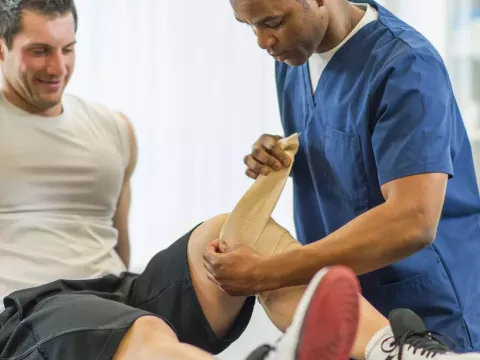
Physical Therapy

Physical therapy is a way to address the root cause of your pain rather than just treating symptoms. Your physical therapist can work with you to create a personalized treatment plan that focuses on improving your strength, flexibility and mobility in the affected area. While physical therapy can provide immediate pain relief, if continued over time, it can actually help prevent injuries and lessen their effects in the future. Regular physical therapy can help you find the pain relief you’re looking for without having to rely on medications.

Mind-Body Approaches That Help Calm Pain Signals

You’re an interconnected system — body, mind and spirit. Sometimes, healing can be found through a combination of physical, mental and spiritual practices. Let’s examine several mind-body approaches for natural pain relief.

Yoga

Yoga focuses on physical movement while also prioritizing your mental health through meditative techniques. This combination is proven to ease pain caused by stress and other injuries. The movements you make in yoga stretch your muscles without straining other parts of your body, making it a great pain reliever. Over time, practicing yoga can ease and prevent pain by building strength, stabilizing joints and increasing range of motion.

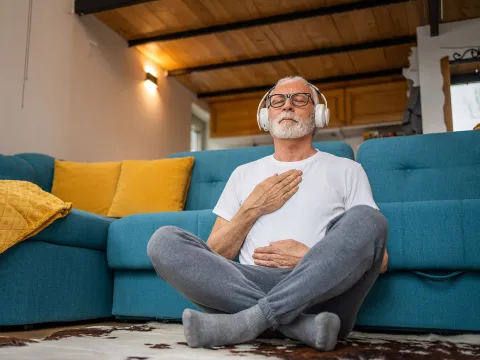
Meditation

While there are many meditative techniques, some of which involve movement, the focus is on setting aside your worries and pain and living in the present moment. Research shows that meditation can change your brain activity and how you perceive pain, and even lower stress-related inflammation. Meditation can be an effective tool for helping you manage your pain and boost your bodily awareness.

Lifestyle Changes That Can Reduce Pain Over Time

Sometimes, managing and preventing pain can be achieved by making lifestyle changes. Turn these practical changes into health habits to reduce pain over time.

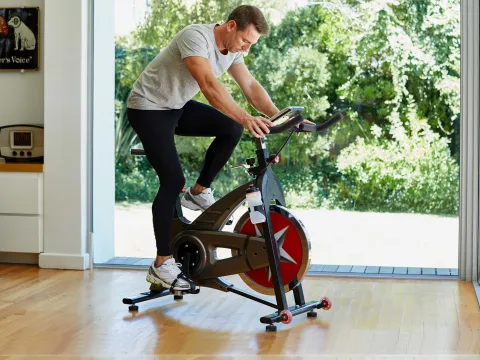
Daily Movement

Moving your body is one of the best things you can do. We weren’t made to live sedentary lives, yet we often find ourselves sitting for most of the day. Over time, a lack of movement can lead to muscle stiffness and fatigue, making you more susceptible to injuries. Regularly moving your body improves your strength and flexibility and regulates circulation, all of which can alleviate and prevent pain.

Being in Nature

Spending time in nature may help relieve pain by reducing stress and anxiety, lowering inflammation and releasing pain-relieving endorphins. Being in nature also promotes physical activities, such as walking, which can distract you from your pain and trigger the release of feel-good neurotransmitters, such as dopamine and serotonin.

Better Nutrition

Food is fuel for your body, and it may have a larger impact on your pain response than you think. Anti-inflammatory foods, like fish, nuts, fruits and veggies, can greatly reduce chronic inflammation and promote healthy weight management, which can reduce the load on your joints. Studies show that poor nutrition is one of the largest factors that lead to chronic pain, and an improved diet can help manage and prevent it.

Stress Management

While stress doesn’t always cause pain, it certainly can. If you’re someone who frequently deals with stress and haven’t found ways to manage it, you’ll likely get sick more often, experience frequent headaches, elevated blood pressure levels and muscle tension and tightness, all of which heighten your pain response. Whether it’s taking several deep breaths or going for a walk, finding ways to manage your stress can relax your muscles, lower inflammation and alter your pain perception.

Better Together: How Your Doctor Can Help

Pursuing holistic pain management is a great way to improve your health without medication. However, it’s important that you work with your primary care provider for proper monitoring and a personalized care plan. If your pain doesn’t get better with time or even gets worse, talk to your primary care provider to determine your next steps.

Pain Care You Can Count On

You’re never alone on your journey to wholeness — we’re committed to walking alongside you through all of life. Learn about our orthopedic care and find a provider near you who can help alleviate your pain. You deserve expert care and support to find freedom from pain and reclaim your life.

Recent Blogs

8 items. To interact with these items, press Control-Option-Shift-Right Arrow. These items are in a slider. To advance slider forward, press Shift-Command-Right Arrow. To advance slider backward, press Shift-Command-Left Arrow.

Blog

3 Weight Loss Surgery Myths, Debunked

Weight loss surgery remains one of the safest and most effective treatment options for people struggling with weight and diabetes. But you wouldn’t know it if you spend a lot of time on social media.