- UChicago Medicine AdventHealth
Choose the health content that’s right for you, and get it delivered right in your inbox.
Having a baby is a major life change that will affect your lifestyle, mindset and well-being. We’re sharing important tips to prioritize your postpartum health.
10 Postpartum Self-Care Tips
Life as you know it changes after giving birth, and it can take some time to ease into your new routine. Here are some tips to help you prioritize your postpartum care and get back to feeling like your best self:
- Accept help or ask for it: A supportive community can benefit your whole health — body, mind and spirit. Family and friends can help with household tasks or childcare — and it’s OK to ask for help, too.
- Don’t play the comparison game: Know that no two bodies are the same, and your postpartum recovery won’t look the same as your friends’, coworkers’, neighbors’ or even your family members’.
- Don’t skip postpartum checkups: Follow-up appointments with your OB/GYN are an important way to keep your health in check.
- Eat a nutritious, balanced diet: Keep your strength up during your recovery, especially if you’re breastfeeding, by eating lots of fruits, vegetables, lean proteins and whole grains.
- Make time for yourself: Even if it’s just a few minutes each day, set aside time to focus on your needs and activities that bring you joy.
- Set realistic expectations: Take breaks when you need to and understand that it’s OK if you can’t cross everything off your to-do list.
- Share your feelings: As a new mom, your emotions can feel like they’re all over the place; talking with your partner, family, friends and healthcare providers is an important way to stay level-headed.
- Sleep whenever you can: Rest is an essential part of your recovery. Try to rest your eyes while your baby sleeps, and don’t feel guilty about midday naps.
- Stay hydrated: Keep a water bottle nearby to help ensure you drink plenty of water throughout the day, especially if you’re breastfeeding.
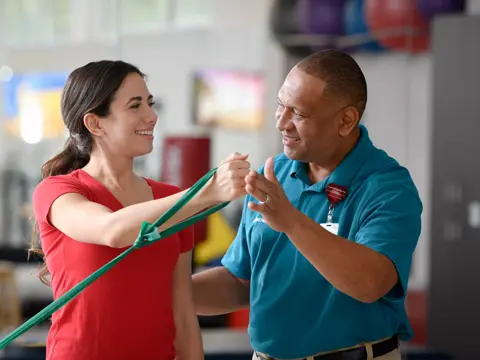
- When returning to physical activity, start slow: Start with lighter-intensity exercises and gradually build up to more intense workouts as you feel comfortable, and your body gets stronger.
Postpartum recovery takes time, and overall, these tips boil down to one thing: listening to your body. Try not to push yourself too hard and always be patient with yourself. As a new mom, your and your baby’s health is your highest priority, and everything else can take a backseat.
Fitness and Physical Exercise After Giving Birth
Easing back into regular physical activity after giving birth leads to many health benefits, including:
- Improved heart health
- Lower stress levels
- More energy
- Reduced postpartum depression symptoms
- Stronger, toned abdominal muscles
Though exercising is a great way to prioritize your well-being, it’s important to do so safely and wait until your body is ready.
Generally, women who experienced an uncomplicated pregnancy and had a vaginal delivery can resume light exercise a few days after birth. Women who delivered via cesarean section or experienced a complicated birth that required vaginal repair should wait until they receive the all-clear from their healthcare provider.
Once you’re ready to begin regular physical activity, don’t overdo it. Avoid pushing yourself too hard and gradually work up to more intense exercise. Also, be sure to take breaks when you need them and stay hydrated while working out.
Your Whole Health Is Our Whole Priority
We know that it may feel a bit more difficult to prioritize your health postpartum. Our women’s health experts are dedicated to your care. Find an OB/GYN provider.
Recent Blogs
Heart Health in the Heat of Summer
Stay safe exercising in the summer heat with these tips from AdventHealth.
Stroke Symptoms to Know When Every Second Counts
If your partner, child, parent or friend has a stroke, will you recognize it? And, more importantly, will you know to get medical care immediately?
5 Symptoms of Bladder Cancer People Often Ignore
Learn five symptoms of bladder cancer that people often ignore and when you should visit your doctor.
How to Balance Your Hormones Naturally
Learn more about hormonal imbalances, including what causes them, symptoms to look for, the role of food, sleep and exercise, and when to visit your doctor.
Your Annual Wellness Roadmap: Screenings, Vaccines and Healthy Habits
You’re proactive when it comes to your health and take pride in your healthy habits, knowing that our habits added up over time influence who we are and have a big impact on our whole health. We’re...
Women’s Health Screenings for Your To-Do List
When it comes to your health, regular screenings are essential for maintaining your overall well-being.
Back Safety: How to Set Healthy Limits
Keeping your back healthy and strong takes a lot of hard work. And part of that is knowing what not to do, and we're here to offer some back safety tips.
Healthy Wins: 10 Small Changes That Make a Big Difference
Learn more about how small lifestyle changes can make a big impact on your overall health and how you can implement them into your daily life.
Avoiding Injury While Training for a Half-Marathon
Stay injury-free during half-marathon training with expert advice on running injuries, proper gear, nutrition and recovery from UChicago Medicine AdventHealth.
Pulmonary Embolism: Overcoming Danger with Immediate Care
Quick action can save your life if you have a pulmonary embolism. Learn more about this condition and how experts at UChicago Medicine AdventHealth are treating it.
Stay Ahead of Your Health: Essential Screenings That Could Save Your Life
Learn about essential screenings that can help keep you well ahead of your health, and when to get them.
How to Decode Functional Medicine Labs
If you’re experiencing symptoms like brain fog, fatigue or insomnia, but your lab results come back normal, functional medicine testing can help you understand your health on a deeper level. Read our...