- UChicago Medicine AdventHealth
Choose the health content that’s right for you, and get it delivered right in your inbox.
You’re proactive when it comes to your current and long-term health, never missing a beat. You take pride in your healthy habits, knowing that our habits added up over time influence who we are and have a big impact on our whole health.
Many illnesses and health conditions are preventable through measures like choosing vaccination, preventive health screenings and lifestyle choices like avoiding tobacco and prioritizing nutrition and exercise.
That’s why we’re here to partner with you in keeping your body, mind and spirit operating together in harmony. Since what we do in the present affects our futures, we’ve mapped out a simple list of screenings and vaccines for you to keep up with as healthy habits. Keep reading to learn more.
Yearly Health Screenings
Visiting your primary care provider (PCP) yearly for a physical exam allows them to monitor your overall health and conduct preventive health screenings to detect potential issues before they become bigger or lead to complications.
Several types of preventive health screenings address different diseases or bodily systems. Your PCP will suggest tests and screenings based on your age, gender, medical history and personal risk factors, like your lifestyle and family history.
General Health Screenings
Certain health screenings are part of an annual checkup and apply to most adults.
These general health screenings include the following tests and should ideally be done annually:
- Blood pressure: Detects high blood pressure, known as hypertension, which is used to evaluate your risk of heart disease
- Cholesterol (lipid panel): Measures the amount of cholesterol in your blood, which can build up inside the arteries and heighten your heart disease risk
- Blood Sugar (glucose and A1C): Helps detect prediabetes and Type 2 diabetes by calculating the amount of sugar, or glucose, in your blood
- Body Mass Index (BMI) and obesity: Calculated based on your height and weight, and can help your doctor determine your ideal healthy weight and if you are at risk for weight-related health problems
These annual screenings will give you and your PCP a good snapshot of your whole health year after year so you can track trends together to better create your personalized health plan.
Cancer Screenings
According to the Centers for Disease Control and Prevention, 30 to 50% of cancers could be prevented if people got recommended screenings. In fact, recent studies show that only 14% of diagnosed cancer cases in the U.S. are found because of a screening test.
Cancer screenings are vital for early detection, improving treatment and outcomes:
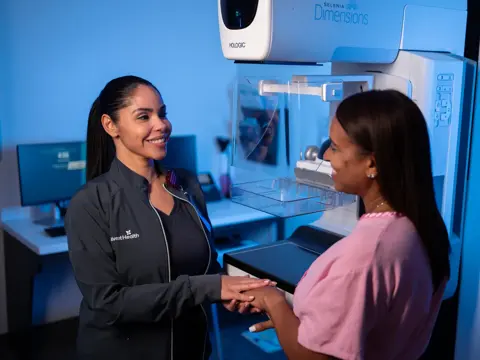
- Breast cancer screening: Recommended for women ages 40 and over, and includes a mammogram or a mammogram and breast magnetic resonance imaging (MRI) for high-risk patients
- Cervical cancer screening: Recommended for women ages 21 and older — includes a Pap smear and testing for the human papillomavirus (HPV)
- Colorectal cancer screening: Typically starts at age 45 for men and women to be screened for colorectal cancer using either a stool-based testing kit or a colonoscopy
- Lung cancer screening: Recommended for current or former smokers between the ages of 50 and 80 to receive a lung cancer screening using a low-dose computed tomography (CT) scan
- Prostate cancer screening: Recommended for prostate-specific antigen (PSA) test and digital rectal exam for men 50 and older to screen for prostate cancer
- Skin cancer screening: A dermatologist can examine and check moles to screen anyone at any age for skin cancer and other skin issues
While certain cancer screenings are performed annually, like breast and cervical cancer screenings, others are performed every few years or as needed based on risk factors, like colorectal cancer screenings. Check in with your PCP to determine what schedule is right for you.
Vaccines and Healthy Habits
Make staying current on immunizations a habit. While it may only seem relevant for school-age kids, everyone, adults included, should be sure they’re up to date on their vaccines, which prevent an estimated 4 million deaths per year.
Recommended vaccinations and immunization updates for adults may include:
- COVID-19
- Hep A
- Hep B
- Hib
- HPV
- Influenza
- Meningococcal
- MMR
- PCV13
- Pneumococcal 23 (PPSV23)
- Shingles
- Tdap or Td
- Varicella
Remember, what we do for our health today can shape our tomorrows for many years to come. Stay on top of your health by keeping current on your vaccines.
Small Daily Habits That Make a Difference
As you stay on top of your screenings and vaccines each year, remember that the small things we do every day turn into habits that shape our health outcomes. Along with opting for nutritious foods and staying active in your daily life, make it a habit to:
- Hydrate first thing: Begin your morning with a glass of water. Staying hydrated helps your body wake up and supports mental clarity throughout the day.
- Opt for time outside: Natural light boosts vitamin D and mood. Even just five minutes outside in the sunshine can make a difference.
- Practice gratitude: Write down one thing you’re thankful for each day. This simple mindset shift can lift your mood and reduce stress.
- Take a breather: Take a minute out of your busy day and pause for 60 seconds of deep breathing. It lowers stress hormones and helps you feel more centered.
These habits may seem small, but they add up. A hydrated body, calm mind, grateful heart and a dose of sunshine can set the tone for a more energized, positive day without requiring much extra time or effort.
Take the Next Step in Your Healthy Routine and Partner With Us
Building and keeping healthy routines is a powerful start, but sometimes we all need extra support from someone who cares. Whether you’re interested in finding primary care or keeping up with your general wellness, our compassionate team is here to help you feel whole — in body, mind and spirit.
Recent Blogs
5 Symptoms of Bladder Cancer People Often Ignore
Learn five symptoms of bladder cancer that people often ignore and when you should visit your doctor.
How to Balance Your Hormones Naturally
Learn more about hormonal imbalances, including what causes them, symptoms to look for, the role of food, sleep and exercise, and when to visit your doctor.
Back Safety: How to Set Healthy Limits
Keeping your back healthy and strong takes a lot of hard work. And part of that is knowing what not to do, and we're here to offer some back safety tips.
Healthy Wins: 10 Small Changes That Make a Big Difference
Learn more about how small lifestyle changes can make a big impact on your overall health and how you can implement them into your daily life.
Avoiding Injury While Training for a Half-Marathon
Stay injury-free during half-marathon training with expert advice on running injuries, proper gear, nutrition and recovery from UChicago Medicine AdventHealth.
Pulmonary Embolism: Overcoming Danger with Immediate Care
Quick action can save your life if you have a pulmonary embolism. Learn more about this condition and how experts at UChicago Medicine AdventHealth are treating it.
Stay Ahead of Your Health: Essential Screenings That Could Save Your Life
Learn about essential screenings that can help keep you well ahead of your health, and when to get them.
How to Decode Functional Medicine Labs
If you’re experiencing symptoms like brain fog, fatigue or insomnia, but your lab results come back normal, functional medicine testing can help you understand your health on a deeper level. Read our...
3 Things to Know About Stage 3 Colorectal Cancer
Learn three things you need to know about stage three colorectal cancer, including signs and symptoms, risk factors and treatment options.
Helping You Understand Spring Allergies
Discover what causes spring allergies and learn ways to treat and prevent their triggers so you can feel whole all season long.
What Artificial Intelligence (AI) Really Means for Your Care
Learn more about the role of AI in health care and how it can enhance our providers’ ability to provide medical expertise with a compassionate approach.
Holistic Pain Management: Alternatives to Prescriptions
Learn more about holistic pain management methods you can try to reduce pain and get back to the life you love.