- UChicago Medicine AdventHealth
Choose the health content that’s right for you, and get it delivered right in your inbox.
You’re on top of your health and are always looking for ways to enhance it. From keeping informed on the latest health trends and staying fit through following a nutritious diet and exercising regularly, you consider it one of life’s greatest joys to reap the results of a life well-lived. Even though you rarely get sick, you’re the first to make an appointment with your primary care provider when you do.
We know we’re preaching to the choir, but we’re here for responsible, wellness-minded patients like you with everything you need to stay ahead of your health. Keep reading for valuable information on essential screenings that could save your life and when to get them.
Essential Screenings That Could Save Your Life
Making healthy choices like you do is a great way to prevent health issues from happening.
You’re choosing wisely to get your lifesaving health screenings and critical health checkups each year. Even those of us who feel healthy and on top of our game still benefit from early detection tests. Then, if there is a health issue, you’ll be able to start your care plan sooner when illnesses are more treatable. And if there are no health issues, you can carry on living your best life as always.
Here’s a simple breakdown of health screenings that matter most by age group and gender.
Women’s Health Screenings (30 to 50 Years)
Women in this age group have an increased risk of developing certain cancers. That’s why more women’s health screenings exist for this age group.
You need these health screenings during these middle years:
- Annual physical
- Bone density scans
- Colorectal cancer screenings
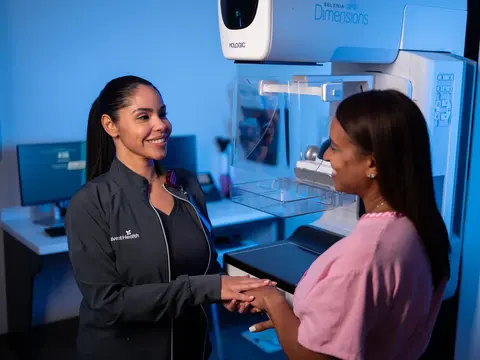
- Mammograms
- Ovarian and uterine cancer screenings
Depending on your risk factors, you may need more extensive testing after each of these women’s health screenings.
Men’s Health Screenings (30 to 50 Years)
Men in their middle years of life need more in-depth health screenings than before. These tests will help detect serious men’s health issues early.
These health screenings for men typically start during the middle years:
- Annual physical
- Cardiovascular risk assessments (including blood pressure and cholesterol)
- Colorectal cancer screenings
- Continued discussions about prostate cancer
- Prostate exams and cancer screenings
Health Screenings in Later Adulthood (Ages 50+)
- Regular Monitoring and Comprehensive Assessments: As with any other phase of life, you’ll need regular physicals and checkups after age 50. We continue to check your blood sugar, cholesterol levels, blood pressure and other health markers. Eye exams, dental assessments and annual physicals are also important at this age.
- Ongoing Women’s Health Screenings: Postmenopausal women need continued bone density scans to check for signs of osteoporosis. Gynecologic cancer screenings should also remain on your list. You may need more frequent mammograms and colorectal cancer screenings as you get older. If you’re a smoker, ask your doctor about lung cancer screenings after you turn 50.
- Ongoing Men’s Health Screenings: Continue to get regular prostate exams and cancer screenings, particularly if you’re high-risk. You’ll also need ongoing and more frequent colorectal cancer screenings. Add lung cancer screenings to this list if you’re a smoker.
You may need osteoporosis screenings if you’re at risk of developing bone density problems. Although it’s less common in men than women, it’s still possible.
Personalized Health Screening Plans With Your Primary Care Provider
While we offer a general schedule for the recommended health screenings by age and gender, you should still consult your primary care provider. They know your risk factors and personal health history, so they can best tailor your screening schedules to your health. It’s always important to maintain open communication with your health care provider, and it’s important that your health care plan reflects who you are and your unique needs.
Partner With Us for All Your Preventive Health Care Needs
Preventive health screenings give you the power to take charge of your health, and we’re proud of all your efforts. Your annual health checkup is the best time to talk about preventive care and the screenings and vaccines you need for the year. We strive to make it easy for you to stay on top of your health.
Learn more about our primary care services. You deserve to feel whole for life.
Recent Blogs
Pulmonary Embolism: Overcoming Danger with Immediate Care
Quick action can save your life if you have a pulmonary embolism. Learn more about this condition and how experts at UChicago Medicine AdventHealth are treating it.
How to Decode Functional Medicine Labs
If you’re experiencing symptoms like brain fog, fatigue or insomnia, but your lab results come back normal, functional medicine testing can help you understand your health on a deeper level. Read our...
3 Things to Know About Stage 3 Colorectal Cancer
Learn three things you need to know about stage three colorectal cancer, including signs and symptoms, risk factors and treatment options.
Helping You Understand Spring Allergies
Discover what causes spring allergies and learn ways to treat and prevent their triggers so you can feel whole all season long.
What Artificial Intelligence (AI) Really Means for Your Care
Learn more about the role of AI in health care and how it can enhance our providers’ ability to provide medical expertise with a compassionate approach.
Holistic Pain Management: Alternatives to Prescriptions
Learn more about holistic pain management methods you can try to reduce pain and get back to the life you love.
The 5-Minute Movement Challenge: Simple Steps for Heart Health and Everyday Wellness
Learn more about the benefits of short spurts of exercise, quick and easy movements, how to stay consistent and how to make exercise a lifestyle.
Seasonal vs. Shock Allergies: What You Need to Know
Learn more about seasonal and shock allergies, including key differences, common symptoms, prevention tips and when to visit your doctor.
Caring for Your Heart Health at Every Age
Keep your heart healthy at every age. Learn practical tips for your 20s, 30s, 40s, 50s and beyond to reduce risk and boost lifelong heart health.
Ways to Check Your Heart Health at Home
Learn to check your heart health at home using blood pressure monitoring, the stair climb test, wearable technologies and tracking your heart rate variability.
Increasing Your Attention Span
Our expert offer 10 tips to improve your attention span and stay focused amid the constant distractions in today’s digital world.
Why This Year’s Flu Season Is More Complicated Than Ever
Discover why the 2025 flu season is more complex — and how you can stay protected. Learn about new flu strains, vaccination trends and hospital readiness.